NTNU · Trondheim, Norway

Autonomous machines,
built by students.

Dialga is a student engineering organisation at NTNU. We design, build and field ambitious hardware end to end — from a remote controlled car with no range limit to a self-stabilising autonomous boat.

  • 03 Projects
  • NTNU Trondheim, Norway
  • ≈5 kW Ligmax propulsion
  • Arceus-4G range, on any 4G

What we are

A student organisation that
builds real machines.

Dialga exists because the fastest way to learn engineering is to be responsible for something that has to work. Every bracket, board and line of firmware on this site was designed, machined, wired and written by students in Trondheim.

  • The whole stack, in-house

    Hull to autonomy. We do not buy a platform and script on top of it — we design the mechanics, lay out the boards, write the firmware, tune the controllers and build the perception pipeline ourselves.

  • It has to leave the lab

    Every project has a real deadline: a competition, a lake, a public road. A machine that only works on the bench does not count as finished, and a rendering is not a result.

  • Engineers, not spectators

    Members join across mechanical design, electronics, embedded, control theory, computer vision and networking — and leave having shipped something that genuinely works under load.

Projects

Three machines. One playbook.

01 Coming soon

Project X

Undisclosed. On the bench.

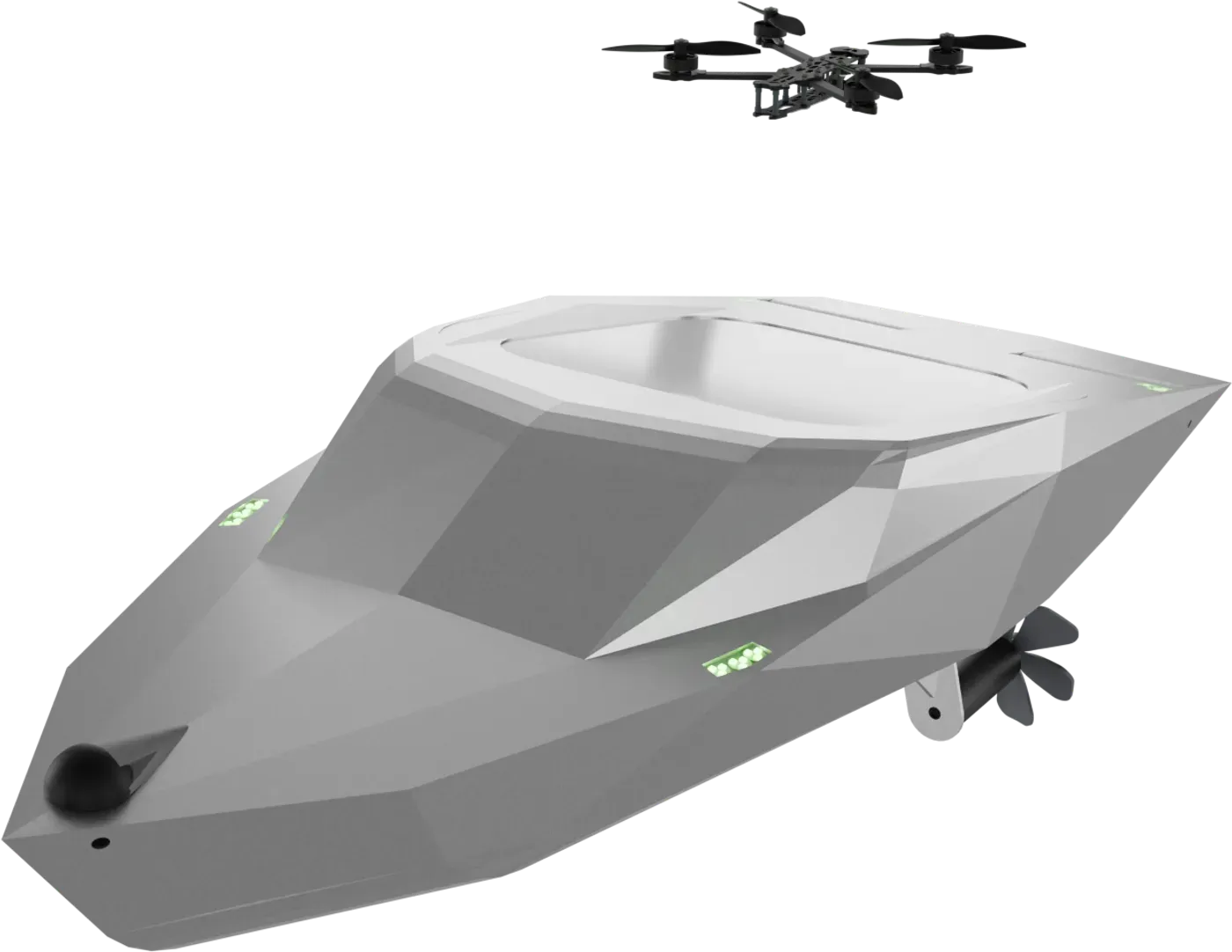
Our third build is in concept and prototyping. Same playbook as the two before it: take a system that normally needs a company behind it, and put it in the hands of students. Details go public when the first prototype moves under its own power.

  • Concept & prototyping
  • Reveal 2026
  • Recruiting now
Details under wraps
02 In the water

Ligmax

A fully stabilised autonomous boat.

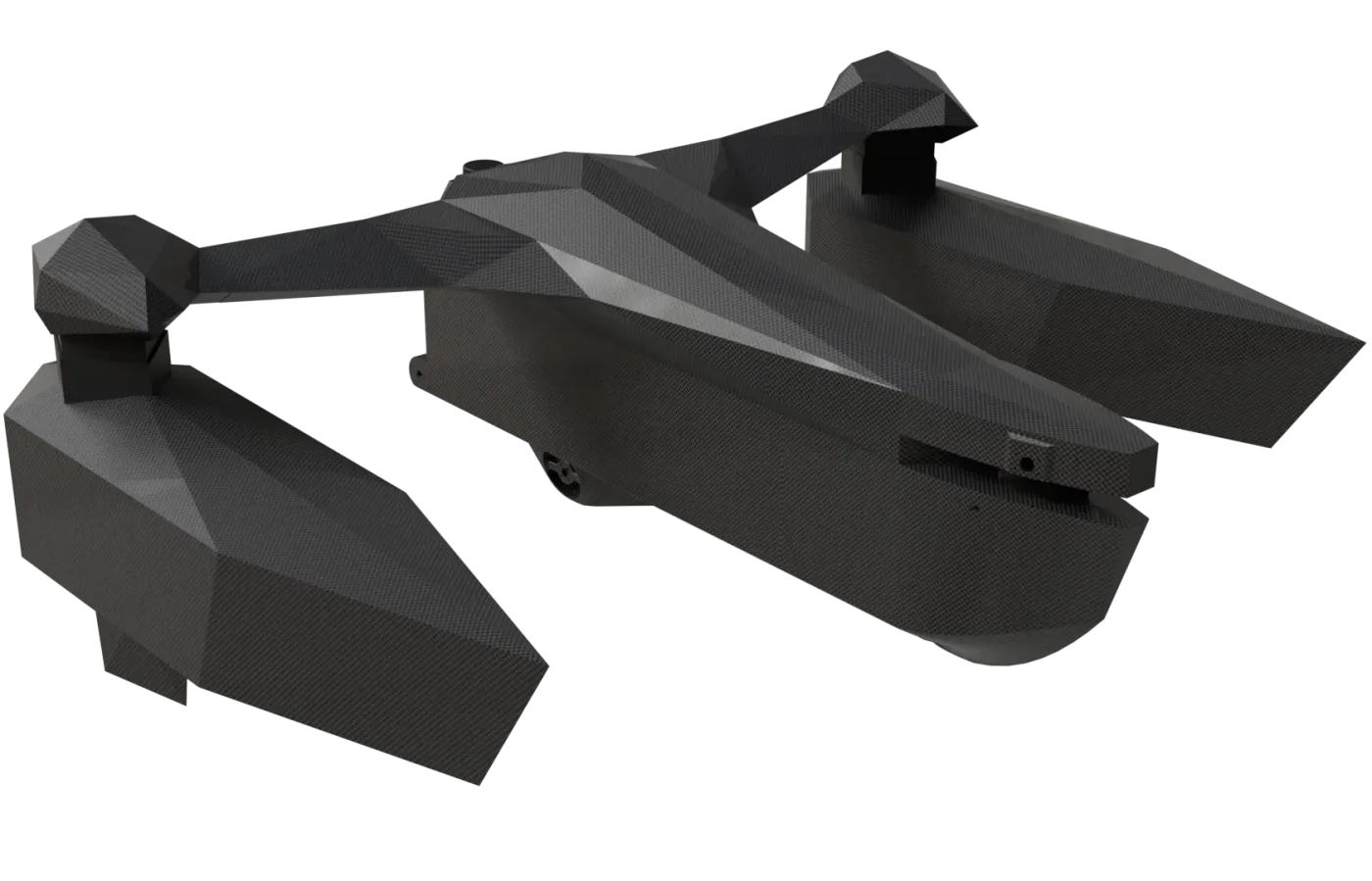
Ligmax is an autonomous trimaran that keeps itself level in a seaway. A 1.8 kWh battery pack rides on rails to trim pitch, linear actuators drive the outriggers to control roll, and a custom gimbal holds the forward lidar steady no matter what the hull is doing. Perception runs deterministic Euclidean clustering across twin 360° lidars, backed by a neural net for buoy colour. Ligmax competed at Njord 2026, the Autonomous Ship Challenge in Trondheim.

  • Trimaran · 1126 × 1252 × 478 mm
  • 2× 2.5 kW brushless + lateral stern thruster
  • 12S12P Li-ion · 44.4 V · 1.8 kWh · 150 A BMS
  • 2× 360° lidar · 2× 220° cameras · sonar · GNSS
  • Jetson Orin Nano Super · RPi 5 · Pixhawk 6C
  • 3D-printed PLA · carbon-fibre and epoxy skin
ligmax.no
03 Built & driven

Arceus-4G

A remote controlled car with no range limit.

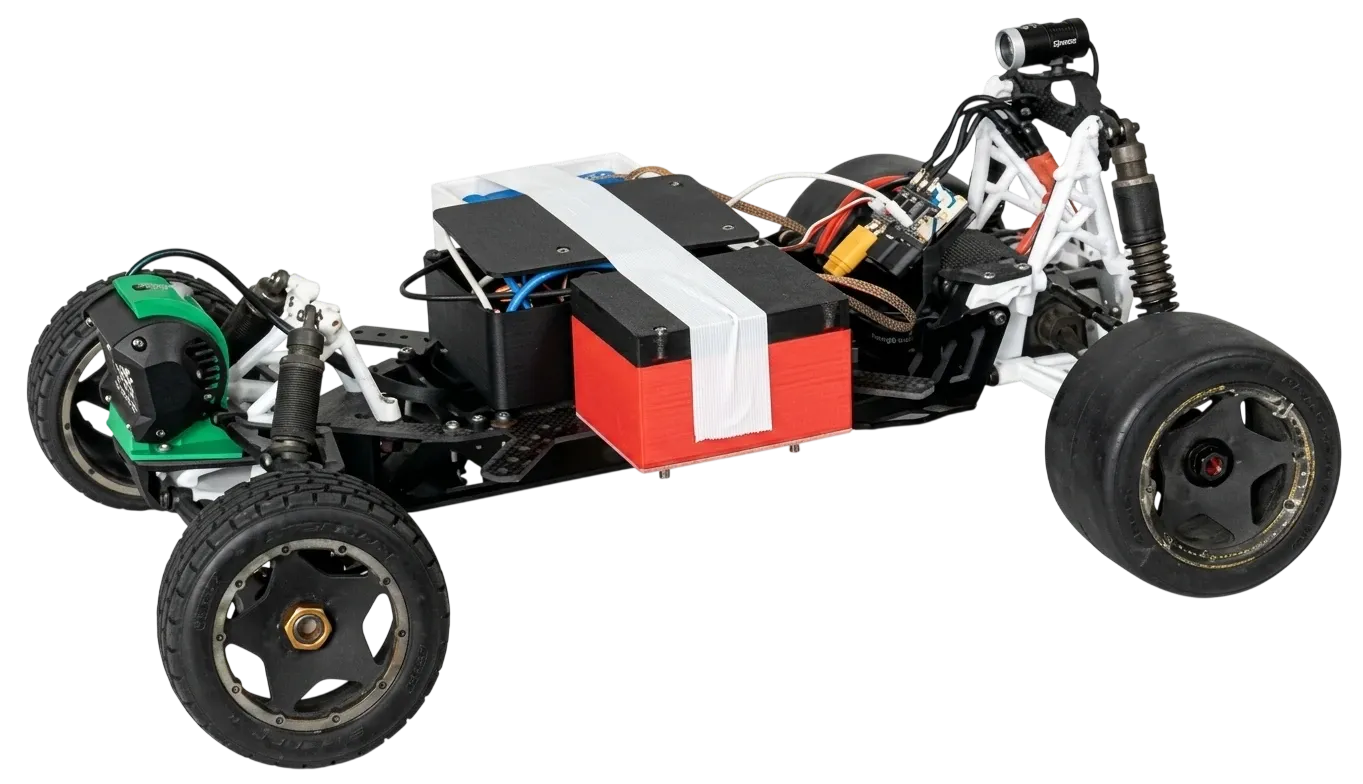
Arceus-4G takes the range ceiling off RC entirely. Instead of a radio link, the car carries a 4G modem and punches a direct peer-to-peer UDP path to the driver's PC through carrier-grade NAT. A lightweight rendezvous service does nothing but swap public IP and port pairs — after that the traffic is direct, with no relay in the media path. A forward-facing primary and a wider situational camera come back over parallel adaptive-bitrate streams, and it takes input from any HID device. Driving it out of sight is the normal case, not the party trick: the only ceiling left is cellular coverage.

  • Custom UDP hole-punching protocol
  • Peer-to-peer through carrier-grade NAT
  • Rendezvous exchange, no media relay
  • Forward + wide situational camera feeds
  • Adaptive bitrate over parallel UDP streams
  • Any HID input — pad, wheel or keyboard
Read the write-up

Sponsorship

Every bolt on this page was paid for.

Batteries, lidar, carbon fibre, PCB runs, competition travel. Partner with Dialga and put your name on the next machine — and in front of the engineers building it.